Is Turkey Safe for Surgery? What to Know
Is turkey safe for surgery? Learn how accreditation, surgeon expertise, hospital standards, and aftercare determine a safe medical trip.
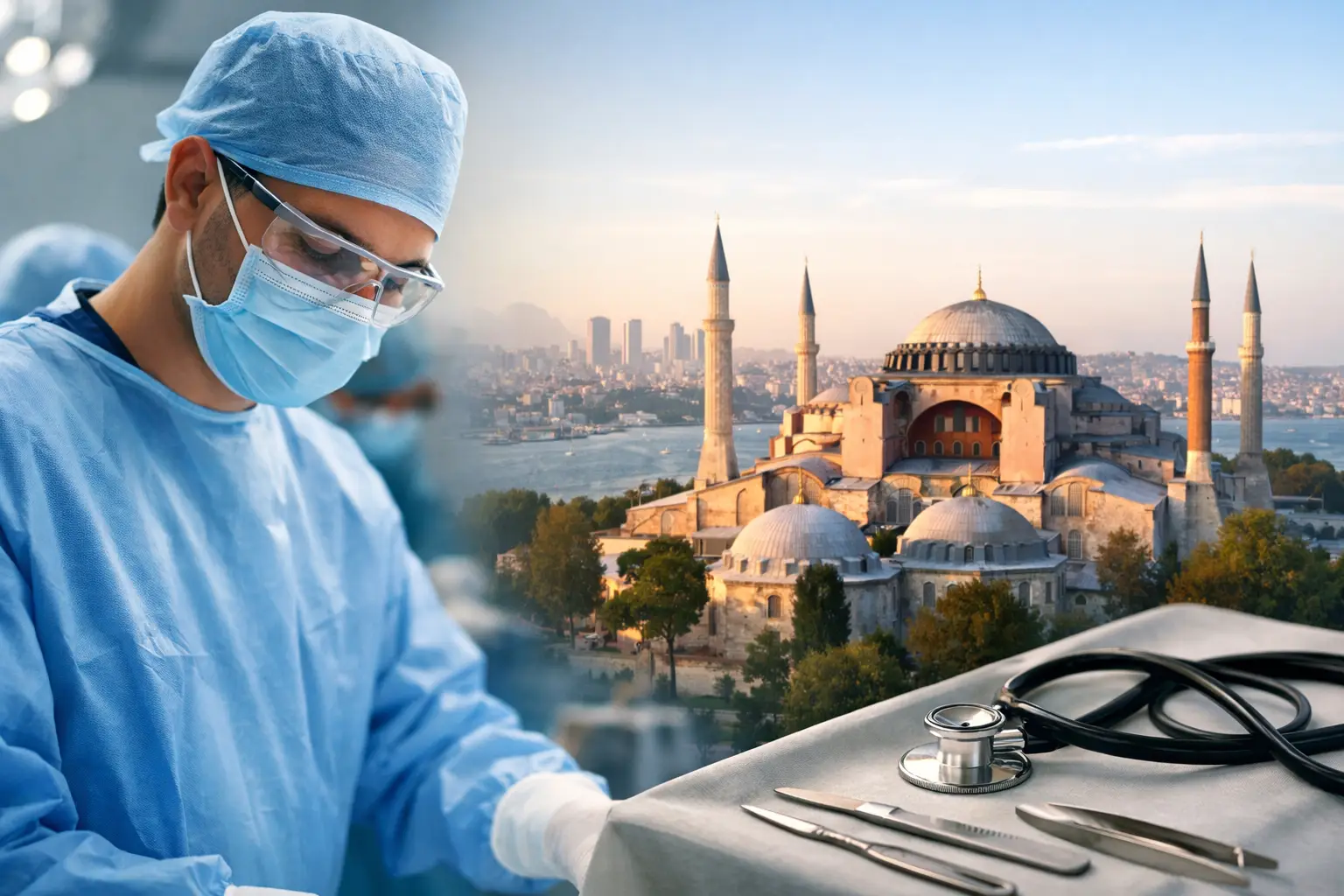
A lower price can get your attention. What should decide your treatment journey, though, is whether you will feel protected before surgery, cared for during recovery, and supported once you return home. If you are asking is Turkey safe for surgery, the honest answer is yes - in the right setting, with the right hospital, surgeon, and aftercare plan.
That distinction matters. Turkey has become one of the most established destinations for medical travel, especially for bariatric procedures, hair transplantation, IVF, and plastic surgery. It attracts international patients because it offers experienced specialists, modern private hospitals, and shorter waiting times than many patients face at home. But safety is never a country-level guarantee. It comes down to who is treating you, where your procedure takes place, and how carefully your journey is managed.
Is Turkey Safe for Surgery in 2026?
Turkey can be a safe and credible choice for elective surgery when patients choose accredited hospitals, qualified surgeons, and a provider network with structured support. Many private hospitals that treat international patients operate to high standards, use advanced technology, and serve large volumes of overseas visitors every year. In cities like Istanbul, it is common to find hospitals built around international care pathways, multilingual teams, and dedicated patient coordination.
At the same time, the market is broad. Not every clinic offers the same level of protection. Some facilities are hospital-based, fully regulated, and designed for complex procedures. Others may be smaller, more limited in emergency capability, or less transparent about who performs the surgery and what happens if complications arise. This is why a patient should never judge safety by destination alone.
A better question is this: is your chosen surgeon properly credentialed, is your procedure being performed in an accredited medical environment, and is there a real aftercare system behind the promise? If the answer is yes, Turkey can offer excellent value without asking you to compromise on standards.
What actually makes surgery in Turkey safe?
Safety starts with the hospital environment. Accredited hospitals are usually the strongest signal because they are assessed against defined standards for patient care, infection control, anesthesia practices, surgical processes, and emergency readiness. For international patients, this matters far more than marketing claims or social media visibility.
Surgeon expertise is the next essential layer. A safe surgical experience depends on choosing a specialist who performs your procedure regularly, not occasionally. Volume alone is not enough, but experience with the exact operation you need is highly relevant. Bariatric surgery, rhinoplasty, IVF, and hair transplantation all have different risk profiles, and the safest surgeon is one whose training and daily practice are aligned with your treatment.
Pre-operative assessment is another area patients sometimes overlook. Reputable providers do not rush from inquiry to operating table. They review medical history, current medications, BMI if relevant, previous surgeries, bloodwork, and any risk factors that may change the treatment plan. If a provider seems too quick to approve you without meaningful screening, that is not a sign of efficiency. It may be a sign that safety is not leading the process.
Then comes continuity of care. Surgery is not only the procedure itself. It includes anesthesia evaluation, hospital monitoring, discharge planning, medication guidance, wound care, and support once you leave the country. For many medical travelers, aftercare is where confidence is either built or broken.
Why Turkey has become a major medical travel destination
Turkey’s rise in medical tourism did not happen by accident. The country has invested heavily in private healthcare infrastructure, specialist training, and international patient services. As a result, many patients can access a level of comfort and clinical sophistication that feels far removed from the outdated image some people may still carry.
For US and UK patients in particular, the appeal is clear. Elective procedures may be significantly more affordable than at home, and waiting periods are often shorter. That combination can make life-changing care feel more accessible. Yet price is only one part of the decision. Patients also want privacy, attentive service, and a smoother journey overall. That is where well-organized treatment coordination can make a measurable difference.
Istanbul, in particular, is often chosen because it combines internationally oriented hospitals with excellent flight access and hospitality infrastructure. For a patient traveling for a major procedure, convenience is not a luxury. It reduces stress, supports recovery, and makes every step easier to navigate.
The risks patients should take seriously
A reassuring picture should still leave room for realism. Every surgery carries risk, whether it is performed in the US, the UK, or Turkey. Complications such as infection, bleeding, anesthesia reactions, poor healing, or the need for revision are possible anywhere.
Medical travel adds a few additional considerations. Flying too soon after surgery can increase discomfort and, in some cases, medical risk. Communication can also become a problem if a patient chooses a provider without strong English-speaking support. If something feels unclear before the procedure, that confusion rarely improves after it.
Another risk is choosing based on the lowest advertised package. A very low price may reflect shorter hospital stays, limited follow-up, less experienced staffing, or inadequate complication planning. That does not mean every affordable option is unsafe. It does mean that unusually cheap offers deserve careful scrutiny.
There is also a difference between simpler and more involved procedures. Hair transplantation is not the same as a gastric sleeve. A tummy tuck is not the same as IVF. The more complex the treatment, the more critical it becomes to choose a hospital-grade environment with proper monitoring and a clear escalation pathway if your condition changes.
How to judge whether a provider is truly safe
If you want a confident answer to is Turkey safe for surgery, focus less on destination marketing and more on evidence. Ask where the procedure will take place. Ask whether the facility is accredited. Ask who will perform the surgery from start to finish. Ask what tests are required before approval. Ask what happens if you need extra nights, a revision, or urgent medical support.
Strong providers welcome these questions. In fact, they usually answer them before you need to ask. Their process feels structured rather than improvised. You know who your point of contact is, what your package includes, what is excluded, and what recovery support looks like after discharge.
This is also where a premium medical travel facilitator can add real value. The right coordinator does more than arrange appointments. They act as a quality filter, narrowing your options to accredited institutions and experienced surgeons, organizing logistics, and reducing the chance that something important gets missed. For patients who want transformation without uncertainty, that layer of oversight can be deeply reassuring.
Is Turkey safe for surgery for bariatric, IVF, and cosmetic patients?
The answer depends partly on the procedure. Bariatric surgery demands serious pre-operative evaluation and disciplined post-operative follow-up. A patient should feel confident that nutrition guidance, complication monitoring, and long-term support are built into the plan.
IVF requires a different kind of safety framework. Laboratory standards, reproductive expertise, transparent communication, and emotional support all matter. The treatment may not involve major incisions, but it is still medically and psychologically significant.
Cosmetic surgery and hair restoration can also vary widely in quality. Some clinics produce beautiful, natural-looking outcomes in well-controlled settings. Others may prioritize volume over individualized care. This is why credentials, consultation quality, and realistic treatment planning matter so much. A polished online presence is never enough on its own.
The safest choice is the one with support built around it
Patients often think the key decision is which surgeon to book. In reality, the safest experience usually comes from the full care system around that surgeon. That includes hospital standards, nursing care, multilingual coordination, transparent pricing, recovery planning, and access to help if your healing does not follow the expected timeline.
This is where many international patients feel most vulnerable. They are not only evaluating a doctor. They are entrusting their body, travel plans, finances, and peace of mind to a process outside their home country. That deserves more than a quick quote and a hotel transfer. It deserves structure, visibility, and genuine accountability.
For that reason, some patients choose models that include complication coverage, dedicated case management, and extended aftercare rather than treating surgery as a one-time transaction. Wholecares, for example, centers its patient experience around accredited partner institutions, personal coordination, and aftercare support because safety does not end when the procedure is over.
So, is Turkey safe for surgery? Yes, it can be exceptionally safe when your journey is built on verified quality rather than assumptions. The most confident patients are usually not the ones who found the cheapest package. They are the ones who asked better questions, chose carefully, and entered treatment knowing they would be looked after at every stage.
If you are considering surgery abroad, peace of mind should be part of the treatment plan itself.
This information is for informational purposes only and does not constitute medical advice. Please consult your physician.
