Bariatric Surgery vs Gastric Balloon
Comparing bariatric surgery vs gastric balloon? Learn who each option suits, expected weight loss, recovery, risks, and long-term results.
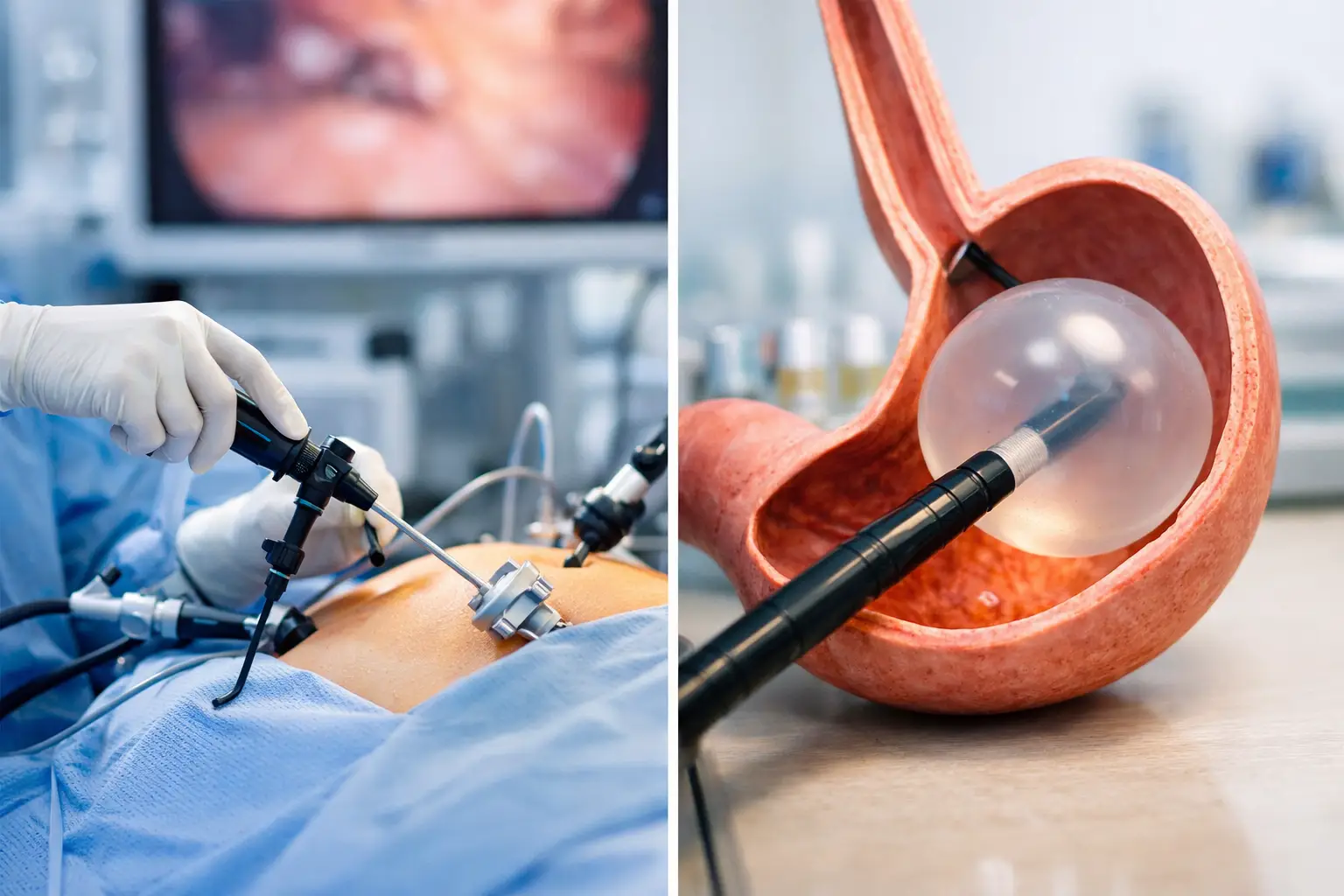
A lot can hinge on this decision. When patients compare bariatric surgery vs gastric balloon, they are rarely choosing between two simple weight-loss tools. They are weighing different levels of commitment, different risk profiles, and very different long-term outcomes.
For some, the gastric balloon feels like a gentler first step. For others, surgery offers the level of change needed to finally break a cycle of obesity, medication dependence, and repeated disappointment. The right path depends less on what sounds easier and more on what your body, health history, and goals truly require.
Bariatric surgery vs gastric balloon: the core difference
The biggest difference is permanence and power. A gastric balloon is a temporary, non-surgical device placed in the stomach to help you feel full sooner. Bariatric surgery changes the digestive system itself, either by reducing stomach size, altering digestion, or both, depending on the procedure.
That distinction matters because it shapes almost everything else - how much weight you can expect to lose, how long the effect lasts, what recovery looks like, and how strongly the treatment can improve obesity-related conditions such as type 2 diabetes, sleep apnea, or high blood pressure.
A balloon supports weight loss while it is in place and while you follow a disciplined nutrition plan. Bariatric surgery creates a stronger metabolic and physical shift, which is why it is often recommended for people with higher BMIs or more serious health complications.
How the gastric balloon works
A gastric balloon is inserted into the stomach, usually through the mouth using an endoscopic procedure. Once in place, it is filled so that it occupies space in the stomach and limits how much food feels comfortable to eat. Most balloons remain in place for about six months, although this can vary by system and medical plan.
The appeal is clear. There are no incisions, no stomach stapling, and the treatment is generally less invasive than surgery. Recovery is usually faster, and many patients return to routine activities within a few days.
Still, less invasive does not mean effortless. The first days can be uncomfortable, with nausea, cramping, reflux, and vomiting being common as the stomach adjusts. More importantly, the balloon is a temporary aid. Once it is removed, patients who have not made durable changes to eating behavior can regain weight.
How bariatric surgery works
Bariatric surgery includes several procedures, with gastric sleeve and gastric bypass being among the most common. In a sleeve gastrectomy, a large portion of the stomach is removed, leaving a smaller stomach that limits intake and changes hunger hormones. In gastric bypass, the stomach is made smaller and part of the small intestine is bypassed, reducing both intake and absorption.
These are not cosmetic procedures. They are serious metabolic interventions used to treat obesity and its related diseases. For the right patient, they can deliver profound health improvements, not just a lower number on the scale.
Because surgery creates a more substantial physiological change, the expected weight loss is typically greater than with a balloon. It also tends to be more durable, particularly when patients stay engaged with structured aftercare, nutritional guidance, and regular follow-up.
Which option leads to more weight loss?
This is where the comparison becomes very practical. In most cases, bariatric surgery leads to significantly more weight loss than a gastric balloon.
With a balloon, many patients see meaningful short-term progress, especially if they are highly motivated and closely supported. But the average total weight loss is usually more modest. It can be an excellent option for someone with a lower BMI, for someone who wants to avoid surgery, or for someone who needs to lose some weight before another procedure.
Bariatric surgery generally produces deeper and more sustained results. Patients with obesity-related illness often see changes that go beyond appearance - improved blood sugar control, better mobility, reduced joint strain, and in some cases a reduced need for medication.
That said, surgery is not a guarantee and the balloon is not a shortcut. Both require lasting behavior change. The difference is that surgery provides a stronger medical framework for long-term success.
Who is a better candidate for a gastric balloon?
A gastric balloon may suit patients who are overweight or mildly to moderately obese and want a restrictive, temporary intervention without undergoing surgery. It can also be considered by people who are not yet ready for a permanent procedure but need a medically supervised step toward better health.
Some patients choose it because they want to test whether they can adapt to smaller portions and a more structured lifestyle before considering something more definitive. Others use it strategically, especially if they need to lower surgical risk before a future operation.
But the balloon has limits. If your BMI is high, if you have severe reflux, or if obesity is already driving major medical problems, it may not offer enough impact. In those situations, surgery may be the safer long-term answer precisely because it is more effective.
Who is a better candidate for bariatric surgery?
Bariatric surgery is often recommended for patients with a higher BMI or with obesity-related conditions that need more than temporary appetite control. If you have spent years trying medications, diets, coaching, and repetitive short-term programs with little durable success, surgery may offer the level of intervention needed to change the trajectory of your health.
It is also often the stronger option for patients who want the best chance of significant and lasting weight reduction. The key is readiness. Surgery works best when patients understand that the operation is one part of a larger transformation involving nutrition, supplementation, movement, and follow-up care.
This is where treatment planning matters. The quality of the surgeon, hospital standards, pre-op assessment, and aftercare structure all influence the experience and the outcome. For international patients, that support system becomes even more important.
Risks, recovery, and daily life after treatment
Every intervention comes with trade-offs. The gastric balloon is less invasive, but it can still cause discomfort and is not free from complications. In some cases, patients cannot tolerate it well and need early removal. There is also the emotional challenge of watching hunger and habits return once the balloon comes out.
Bariatric surgery involves operating room time, anesthesia, and a more serious recovery period. There are surgical risks, and patients must commit to long-term supplementation and follow dietary stages carefully. Recovery is not just physical. It asks for patience and discipline as your body and routines adjust.
Yet many patients find that the greater commitment brings greater relief. Eating changes, energy improves, and life begins to feel more manageable. What once felt like constant struggle can become structure.
Bariatric surgery vs gastric balloon for medical travel patients
If you are considering treatment abroad, the comparison extends beyond the procedure itself. You also need to think about hospital accreditation, surgeon specialization, language support, complication planning, and what happens after you return home.
A gastric balloon may involve a shorter stay and simpler logistics, but it also requires clear planning for removal and follow-up. Bariatric surgery demands more careful coordination, especially around pre-operative testing, immediate recovery, and ongoing aftercare. Patients traveling to Istanbul often value having these elements organized in advance because uncertainty is what makes medical travel feel risky.
This is one reason premium facilitation matters. A carefully structured journey with accredited partners, transparent package planning, and long-term aftercare can turn a stressful decision into a protected one. For patients seeking that level of reassurance, Wholecares builds support around the medical choice, not just the booking.
How to decide with confidence
If you are choosing between these options, the smartest question is not Which is easier? It is Which treatment matches the seriousness of my health needs and the kind of result I want to protect long term?
If you want a temporary, less invasive tool and your medical profile supports it, a gastric balloon may be appropriate. If you need greater weight loss, stronger metabolic change, or a more durable solution, bariatric surgery is often the better fit.
The most reassuring decisions are rarely made from marketing claims alone. They come from a full medical assessment, honest discussion of trade-offs, and a care team that treats your safety, dignity, and future results as part of the same promise.
The best option is the one that gives you a realistic path forward - not just for losing weight, but for living with greater ease, confidence, and control.
This information is for informational purposes only and does not constitute medical advice. Please consult your physician.
