Who is Eligible for Obesity Surgery? Understanding BMI and Health Criteria
Obesity surgery is not just about weight loss; it is a life-saving intervention for those facing metabolic challenges. Find out if you meet the criteria for a permanent solution.
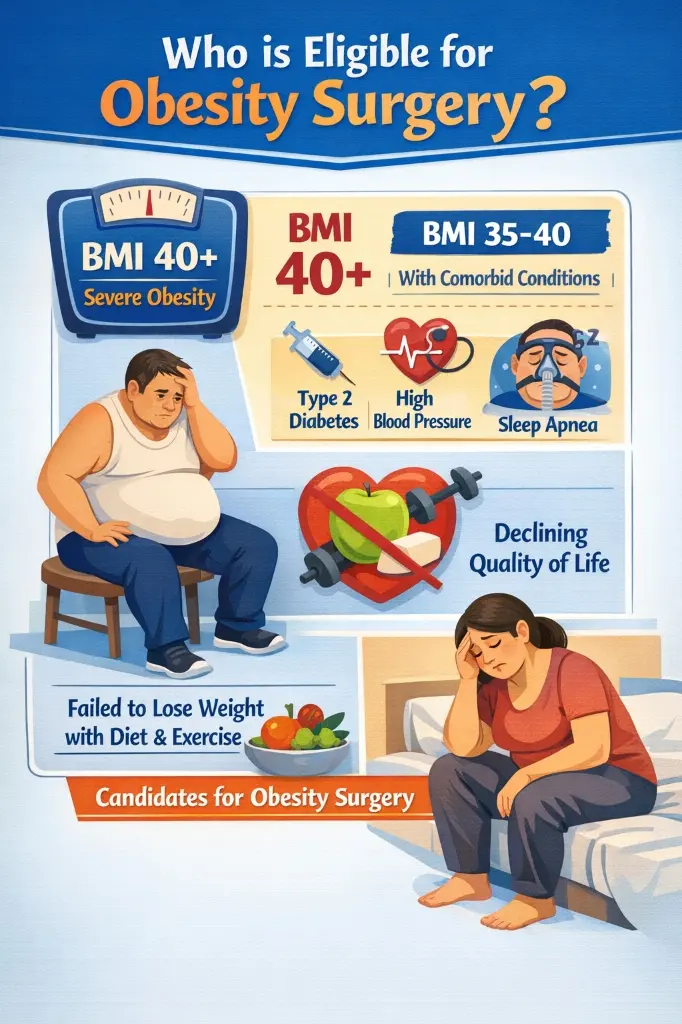
For many, the question is no longer "How do I lose weight?" but "How do I reclaim my health?". If you have tried countless diets and exercise regimens without long-term success, bariatric surgery may be the medical tool you need. However, it is a procedure reserved for those who meet specific health and weight criteria. According to the ASMBS, eligibility is based on BMI and the presence of weight-related health issues.
Candidate Checklist
- ✅ BMI 40+: Generally eligible for surgical intervention.
- ✅ BMI 35-40: Eligible with comorbidities (Diabetes, Sleep Apnea, etc.).
- ✅ History: Documented attempts at traditional weight loss methods.
The Primary Criterion: Body Mass Index (BMI)
The most common metric used to determine eligibility is the Body Mass Index (BMI). This calculation helps medical professionals categorize obesity and assess the risks associated with it.
- BMI of 40 and Above (Class 3 Obesity): Surgery is primarily recommended for individuals in this category, often referred to as morbid obesity. At this level, the risk of life-threatening health issues is significantly higher.
- BMI Between 35 and 40 (Class 2 Obesity): Surgery is also a highly effective solution for those in this range, provided they suffer from "comorbidities"--health conditions caused or worsened by excess weight.
Beyond the Scale: Comorbid Conditions
For candidates with a BMI between 35 and 40, the presence of certain medical conditions makes them eligible for surgery. These include:
- Type 2 Diabetes: Obesity surgery can often lead to the complete remission of diabetes, resetting the body's insulin response.
- Hypertension (High Blood Pressure): Reducing weight significantly decreases the strain on the cardiovascular system.
- Sleep Apnea: Clearing the airway of excess tissue can eliminate the need for CPAP machines and restore restful sleep.
- Severe Joint Pain: Alleviating the physical burden on knees and hips can restore mobility and quality of life.
Is It the Right Time for You?
Beyond clinical numbers, eligibility is also about your journey and readiness. Ideal candidates are typically those who:
- Have failed to achieve sustainable weight loss through traditional diet and exercise.
- Experience a significant decline in their quality of life due to weight.
- Are committed to making permanent lifestyle and nutritional changes post-surgery.
Conclusion: A Tool for Transformation
Obesity surgery is not the "easy way out"; it is a sophisticated medical intervention for a complex metabolic disease. If you meet the criteria, it can be the starting point for a new chapter--one defined by energy, health, and freedom.
Frequently Asked Questions
Do I qualify with a BMI of 33?
Typically, surgery requires BMI 35+. However, if you have poorly controlled diabetes, some guidelines and specific surgeons may allow metabolic surgery at lower BMIs (30-35).
What if I don't have diabetes?
You are still eligible with a BMI of 40+ purely based on weight. If BMI is 35-40, other conditions like sleep apnea, high blood pressure, or joint pain can qualify you.
Is there an age limit?
While 18-65 is standard, surgery can be performed on adolescents or older adults (up to 70+) after a thorough individual medical assessment determining safety.
Recommended Reading
This information is for informational purposes only and does not constitute medical advice. Please consult your physician.