Metabolic Surgery for Type 2 Diabetes Management
Often called "Diabetes Surgery," metabolic surgery is a powerful intervention that targets the root causes of metabolic syndrome, offering hope for remission where medication alone may fail.
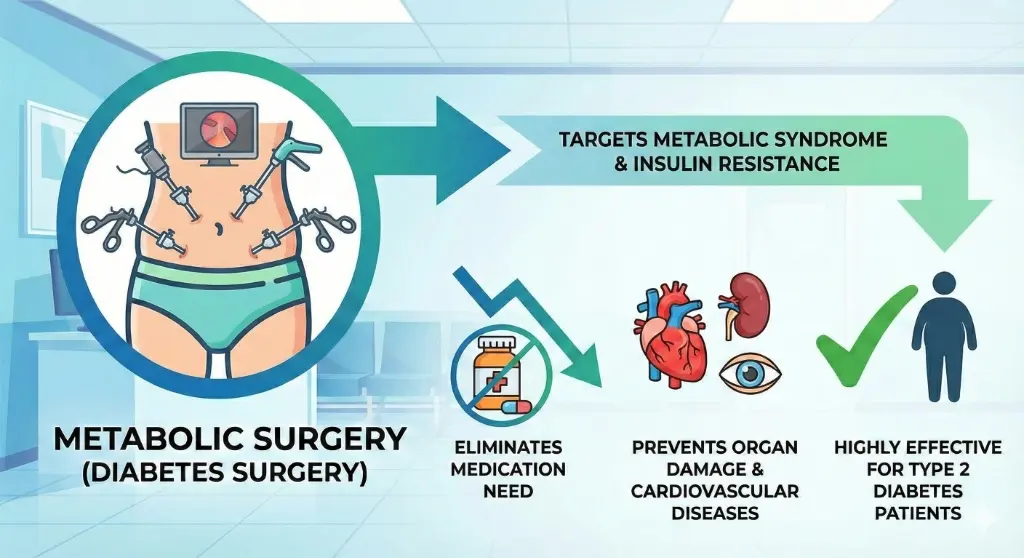
For decades, Type 2 Diabetes was considered a progressive, lifelong condition managed only by medication. However, the emergence of Metabolic Surgery has radically changed this narrative. Unlike standard weight loss surgery, metabolic surgery is specifically designed to target the hormonal and gastrointestinal mechanisms that drive insulin resistance.
The Metabolic Switch
- 📉 Blood Sugar: Rapid normalization often before weight loss.
- 💊 Medication: High potential for complete remission.
- 🛡️ Protection: Reduces risk of heart disease and stroke.
How Metabolic Surgery Works
When the anatomy of the stomach and intestines is altered (as in Gastric Bypass or Transit Bipartition), food bypasses the initial segment of the small intestine. This action suppresses "anti-incretin" signals that block insulin and stimulates "incretin" hormones like GLP-1, which enhance insulin secretion directly from the pancreas.
Who is a Candidate?
While originally reserved for those with severe obesity (BMI > 40), international guidelines now recommend metabolic surgery for patients with Class I obesity (BMI 30-35) if their diabetes is poorly controlled despite optimal medical and lifestyle therapy. It is a proactive treatment to prevent the severe complications of diabetes.
Long-Term Health Impact
The benefits extend far beyond blood sugar control. By effectively treating Metabolic Syndrome, patients see profound improvements in:
- Cardiovascular Health: Reduced risk of heart attacks and strokes.
- Cholesterol Profiles: Significant decrease in LDL (bad cholesterol) and triglycerides.
- Liver Health: Reversal of Non-Alcoholic Fatty Liver Disease (NAFLD).
For many, this surgery is not just a treatment; it is a cure for the daily burden of diabetes management, offering a future free from the fear of complications.
Frequently Asked Questions
Can surgery cure my diabetes?
"Remission" is the medical term. Many patients maintain normal blood sugar levels without medication for years, essentially living diabetes-free.
How does it work for diabetes?
By bypassing part of the upper intestine, the surgery stimulates GLP-1 hormones that increase insulin production and sensitivity, independent of weight loss.
Is it safe for Type 1 Diabetes?
Metabolic surgery is primarily for Type 2 Diabetes. It is generally not a treatment for Type 1, though some experimental research is ongoing.
Recommended Reading
This information is for informational purposes only and does not constitute medical advice. Please consult your physician.