Laparoscopic Surgery: Maximum Results with Minimal Incisions
In the past, major abdominal surgeries meant large incisions, long painful recoveries, and significant scarring. Today, the landscape of bariatric surgery has been revolutionized by technology.
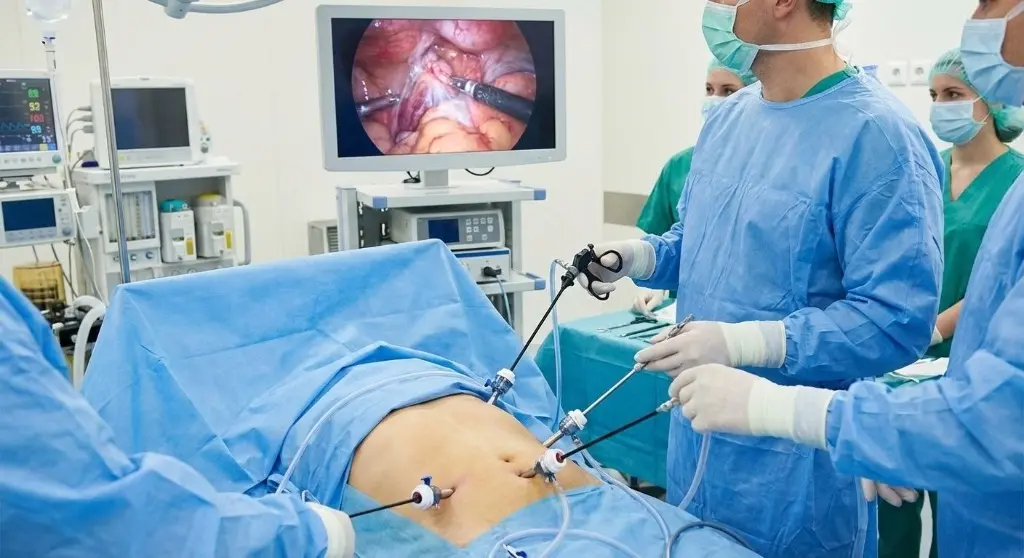
Laparoscopic (Closed) Surgery is the gold standard for obesity procedures like Gastric Sleeve and Gastric Bypass, offering patients a safer, more comfortable, and aesthetically superior experience.
At Wholecares, we utilize advanced High-Definition (HD) laparoscopic systems to perform complex procedures through incisions no larger than a keyhole.
What is Laparoscopic Surgery?
Laparoscopic surgery, often called "keyhole surgery," is a minimally invasive technique. Instead of opening the abdomen with a large cut, the surgeon makes 3 to 5 tiny incisions, each only 0.5 to 1 cm wide.
Through these ports, special narrow instruments and a high-resolution camera (laparoscope) are inserted. This camera magnifies the view 10-20 times, allowing the surgeon to see nerves and vessels with far greater precision than the naked eye could permit in open surgery.
Why Is It the Preferred Method?
The transition from open to closed surgery is not just about technology; it is about patient comfort.
1. Minimized Scarring (Aesthetic Advantage)
For many patients, the physical reminder of surgery is a concern. Laparoscopic incisions are so small that they often fade to become barely visible within a year. You don't have to trade your health for a large scar.
2. Reduced Pain and Complications
Smaller incisions mean less trauma to the abdominal muscles. This translates to significantly less post-operative pain and a lower risk of wound complications like infection or hernias compared to traditional open surgery.
3. Accelerated Recovery
Because the physical trauma is minimized, the body heals faster. Most of our patients stand up and walk 4 hours after surgery and are discharged from the hospital within 2 to 3 days.
⚡ Open vs. Laparoscopic: The Difference
| Feature | Open Surgery (Traditional) | Laparoscopic Surgery (Modern) |
|---|---|---|
| Incision Size | 15-20 cm (Large) | 0.5-1 cm (Tiny) |
| Pain Level | Moderate to High | Mild to Moderate |
| Hospital Stay | 5-7 Days | 2-4 Days |
| Recovery Time | 4-6 Weeks | 1-2 Weeks |
| Scarring | Visible, Large Scar | Barely Visible dots |
The Procedure: What to Expect
Laparoscopic obesity surgery is a streamlined process designed for efficiency and safety.
- Duration: The surgery typically lasts 1 to 2 hours, depending on the specific procedure (Sleeve or Bypass).
- Anesthesia: It is performed under general anesthesia, so you will be completely asleep and feel no pain.
- Post-Op: You will wake up with small bandages on your abdomen. We encourage early mobilization--walking shortly after waking up is key to preventing clots and "waking up" your metabolism.
Conclusion: Advanced Technology for a New You
Laparoscopic surgery removes the fear of "going under the knife." It turns a major life-changing procedure into a manageable, low-impact medical intervention. By choosing a clinic that prioritizes high-tech laparoscopic methods, you are choosing a faster return to your new, active life.
Your journey to health shouldn't be painful; it should be empowering.
Frequently Asked Questions
Will I have a big scar?
No, laparoscopic incisions are tiny (0.5-1 cm). They typically heal into barely visible dots or fine lines that are easily hidden.
How painful is the surgery?
Pain is generally mild to moderate and well-controlled with medication. Most patients are surprised at how comfortable they feel and are able to walk within hours.
When can I return to work?
Because recovery is fast, most patients with desk jobs return to work in 1-2 weeks. Physically demanding jobs may require 3-4 weeks.
Recommended Reading
This information is for informational purposes only and does not constitute medical advice. Please consult your physician.