The Ultimate Guide to Hair Transplant Procedures: Restoring Your Confidence
Hair loss can significantly impact self-esteem, but modern medical advancements have made permanent hair restoration safer and more effective than ever.
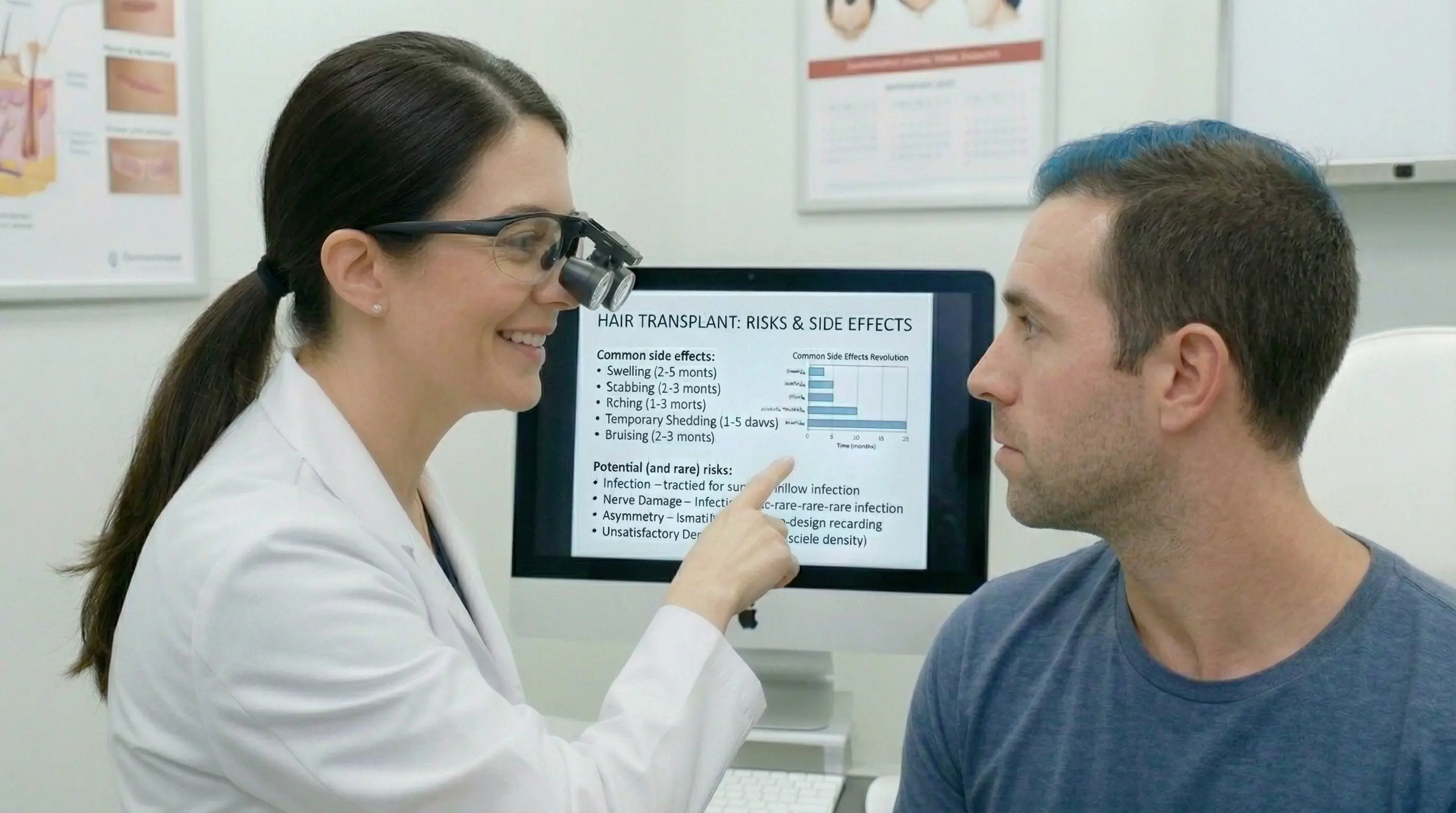
At Wholecares, we prioritize your well-being by providing comprehensive, medically backed information regarding hair transplant procedures.
Who is the Right Candidate for a Hair Transplant?
Not everyone experiencing hair thinning is an immediate candidate for surgical intervention. Ideal candidates typically have stable hair loss patterns and sufficient donor hair, usually located at the back of the scalp. To understand if this treatment aligns with your specific condition, we highly recommend reading our detailed guide on Who is a Suitable Candidate for Hair Transplant.
How is the Procedure Performed?
The operation is a meticulous process that requires high medical expertise. Techniques like FUE (Follicular Unit Extraction) and DHI (Direct Hair Implantation) are the gold standards today. These methods ensure natural-looking results with minimal scarring. For a deep dive into the surgical steps, check out our article on How is a Hair Transplant Performed.
Understanding the Risks and Side Effects
Every surgical procedure carries potential risks. Transparency is a core value at Wholecares. Temporary side effects may include swelling, mild pain, and minor scabbing around the transplanted area.
Medical Authority and Global Standards
When considering health tourism and medical procedures, it is vital to rely on trusted global authorities. The safety protocols we advocate are in line with guidelines from the International Society of Hair Restoration Surgery (ISHRS) and general surgical safety standards established by the World Health Organization (WHO). Furthermore, numerous PubMed medical studies confirm the long-term efficacy and psychological benefits of modern hair transplantation techniques.
Frequently Asked Questions
How long does a hair transplant last?
Hair transplants provide permanent results. The transplanted follicles are genetically resistant to the hormones that cause baldness, meaning they will continue to grow for a lifetime.
Is the procedure painful?
The procedure is performed under local anesthesia, ensuring you feel no pain during the operation. Mild discomfort during the initial recovery phase is normal and easily managed with prescribed medication.
Recommended Reading
This information is for informational purposes only and does not constitute medical advice. Please consult your physician.